Could the transition to renewable energy be truly sustainable? Are Environmental and Social issues adequately considered?

Sustainable energy sources are commonly understood as energy sources that meets the needs of the present without compromising the ability of future generations to meet their own needs.  In the past, we have transitioned our major energy sources from Coal to Oil and Gas, which was considered more environment friendly at that time.  Now, we are urgently transitioning from Oil and Gas to more greener and sustainable energy sources.

Renewable energy sources are often termed as sustainable energy sources. However, are they truly sustainable?  Is the transition sustainable this time around or are we just solving a current problem and creating another one for the future? 

Renewable energy is energy from sources that are continuously replenished naturally.  Among others, common forms of renewable energy include solar power, wind power, hydroelectric power, tidal power, and biomass energy.

As per the UN Energy Progress Report 2021, the world is making progress towards Goal 7, Affordable and Clean Energy, of the UN Sustainable Development Goals. Data from 2018 (latest available) shows that globally the share of renewable energy is 17 per cent of the Total Energy Consumption.
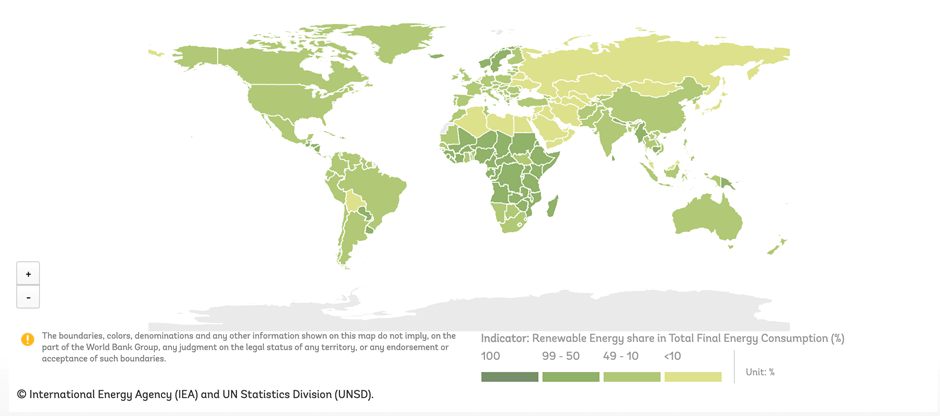
The rapid transition to clean energy is inevitable, but it creates some pertinent questions regarding the Environmental and Social sustainability issues in the transition:

  1. Environmental sustainability:  Let’s not close our eyes for what’s happening. For instance, the mining of Neodymium, a rare earth element important for generator components in wind turbines Mining coal is harmful the environment, but mining neodymium is harmful as well, although considered relatively abundant in the Earth’s crust by some industry experts (opposing views are plenty!)
  2. Social sustainability Social aspect is globally diverse and complex. The planet’s resources need to be effectively and efficiently used to provide enough food and energy for everyone. As per the UN Energy Progress Report 2021, 13 per cent of the global population still lacks access to modern electricity and 3 billion people rely on wood, coal, charcoal or animal waste for cooking and heating. Is the transition to renewable energy solving energy poverty globally or is it limited to the fortunate who have had access to energy previously as well?
  3. ‘True’ sustainability:  As renewable energy component of the world’s Total Energy Consumption increase, it brings pressure on the natural resources including water, land use, forestry and marine resources as more resources are required for the renewable infrastructure.  Furthermore, indirect impact on biodiversity cannot be ignored. For instance, hydropower or open-cycle power plants involve significant thermal discharges, which could impact the biodiversity. It also raises questions as to whether submerging ecosystems under water by building hydropower dams is less destructive.

Sustainable renewables should be the focus rather than just ‘going green’ by utilising renewable sources, so that the new renewable investments are without the collateral damage and unintended negative consequences. As the pace of transition picks up, and we lay the foundations for a new and sustainable future, it is better to get it right during the transition, than to spend billions correcting the actions decades later.

Integrating ESG considerations into business strategy

Environmental, Social, and Governance (ESG) factors are increasingly important for companies across industries. ESG factors refer to a broad set of issues that relate to a company’s impact on the environment, society, and its governance structure. These factors are critical for creating long-term sustainable value for the company, its stakeholders, and society. This short article explores why companies should integrate ESG into their business strategy.

ESG factors are material to business performance

ESG factors can have a significant impact on a company’s financial performance and long-term sustainability. Companies that ignore ESG issues may face increased operational risks, reputational damage, and regulatory scrutiny. On the other hand, companies that manage ESG risks and opportunities well can create value for their stakeholders and enhance their reputation and brand value. For example, in the past 5 years, stock market data shows that companies that are leaders in ESG performance tend to have higher return on equity (ROE) and lower volatility in their stock prices.

ESG factors are important for stakeholder engagement

Stakeholder engagement is crucial for companies to build trust, maintain social license to operate, and attract and retain talent. ESG factors are increasingly important to stakeholders, including investors, customers, employees, and community members. Investors are increasingly using ESG factors to evaluate companies’ long-term sustainability and risk profile. Customers are becoming more aware of the social and environmental impact of their purchasing decisions. Employees are seeking to work for companies that align with their values and offer a positive work culture. Community members are demanding that companies take responsibility for their impact on the local environment and society. By integrating ESG into their business strategy, companies can demonstrate their commitment to responsible business practices and engage effectively with their stakeholders.

ESG factors are important for regulatory compliance

ESG factors are increasingly important for regulatory compliance across jurisdictions. Governments are enacting new laws and regulations to address environmental and social issues, such as climate change, human rights, and supply chain transparency. Companies that do not manage ESG risks may face legal and financial penalties and reputational damage. By integrating ESG into their business strategy, companies can ensure that they comply with existing and future regulations and reduce the risk of non-compliance.

ESG factors are important for innovation and competitiveness

ESG factors can drive innovation and competitiveness for companies. By considering ESG factors, companies can identify new business opportunities, develop innovative products and services, and differentiate themselves from their competitors. For example, companies that invest in renewable energy and sustainable products can create new revenue streams and enhance their market position. Companies that integrate diversity and inclusion into their business strategy can attract and retain a diverse talent pool and enhance their innovation capacity. By integrating ESG into their business strategy, companies can improve their long-term competitiveness and sustainability.

In conclusion, integrating ESG into business strategy is critical for companies to create long-term sustainable value for their stakeholders and society. ESG factors are material to business performance, stakeholder engagement, regulatory compliance, and innovation and competitiveness. Companies that integrate ESG into their business strategy can enhance their reputation, reduce risk, and create positive social and environmental impact. The evidence suggests that companies that lead in ESG performance tend to have higher financial performance and lower volatility in their stock prices. It is essential for companies to consider ESG factors in their decision-making processes and to report on their ESG performance transparently to their stakeholders.